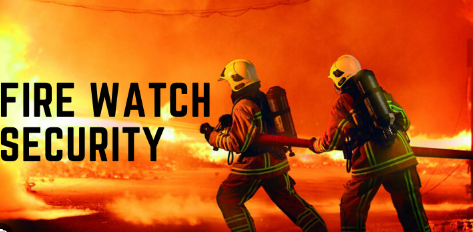
Fire watch guards are trained personnel assigned to monitor areas with elevated fire risks. Their role extends beyond passive observation—they actively inspect sites, identify hazards, and respond immediately if a fire threat arises. These guards are crucial in industries like construction, manufacturing, chemical processing, and large-scale events, where even a small spark can escalate into a serious fire incident.
Why Study Fire Incidents to Understand Fire Watch Importance?
Examining past fire incidents helps businesses understand common risk factors and the consequences of insufficient fire monitoring. Statistics indicate that a significant number of industrial fires occur due to human error, equipment malfunction, or failure to detect hazards in time. Learning from these events highlights the preventive value of Fire Watch Guards and emphasizes the need for vigilance in high-risk environments.
What Lessons Have Notable Fire Incidents Taught Us?
Several high-profile fires have underscored the importance of active monitoring:
Early Detection Prevents Escalation – In many cases, fires have spread because small ignition points were overlooked. Fire watch guards can detect early signs like smoke, sparks, or overheating equipment, stopping incidents before they become catastrophic.
Human Oversight Complements Technology – While alarms and sprinklers are vital, automated systems cannot always detect subtle risks. Notable incidents have shown that human presence and judgment often make the difference in preventing disaster.
Documentation Improves Safety Practices – Fire watch logs from past incidents have been instrumental in analyzing failures and improving protocols. Maintaining detailed records of inspections and patrols allows businesses to track potential hazards and refine preventive strategies.
How Do Fire Watch Guards Act During High-Risk Situations?
During operations such as welding, chemical handling, or electrical work, fire watch guards actively monitor surroundings for hazards. Their responsibilities include:
Inspecting equipment and materials for fire risks.
Ensuring fire suppression tools are readily accessible.
Alerting personnel immediately upon detecting a threat.
Coordinating with emergency response teams if a fire occurs.
Recording observations to inform future safety measures.
What Are the Measurable Benefits of Fire Watch Guards?
Studies show that facilities with dedicated fire watch personnel experience fewer fire incidents, reduced property damage, and lower operational disruption. Data from industrial safety reports highlight that proactive monitoring can prevent up to 70% of fires caused by human error or equipment failure. These guards not only protect assets but also reinforce a culture of safety, encouraging staff to remain vigilant in daily operations.
Can Lessons from Fire Incidents Be Applied Across Industries?
Absolutely. Lessons learned from fires in manufacturing, construction, or event management can inform safety strategies in virtually any sector. Understanding common ignition sources, high-risk behaviors, and gaps in monitoring practices helps organizations implement effective fire watch protocols, regardless of the industry.
How Can Businesses Maximize the Effectiveness of Fire Watch Guards?
Companies can enhance safety outcomes by providing thorough training, equipping guards with fire suppression tools, and scheduling regular patrols during high-risk operations. Reviewing past incident reports and adjusting protocols ensures that fire watch strategies evolve in response to emerging risks.
Conclusion
Notable fire incidents offer valuable lessons on the critical role of fire watch guards. Their proactive presence, vigilant monitoring, and immediate response capabilities prevent disasters, protect property, and save lives. By learning from past events, businesses can strengthen safety practices and ensure that fire watch guards remain a cornerstone of comprehensive fire prevention strategies.